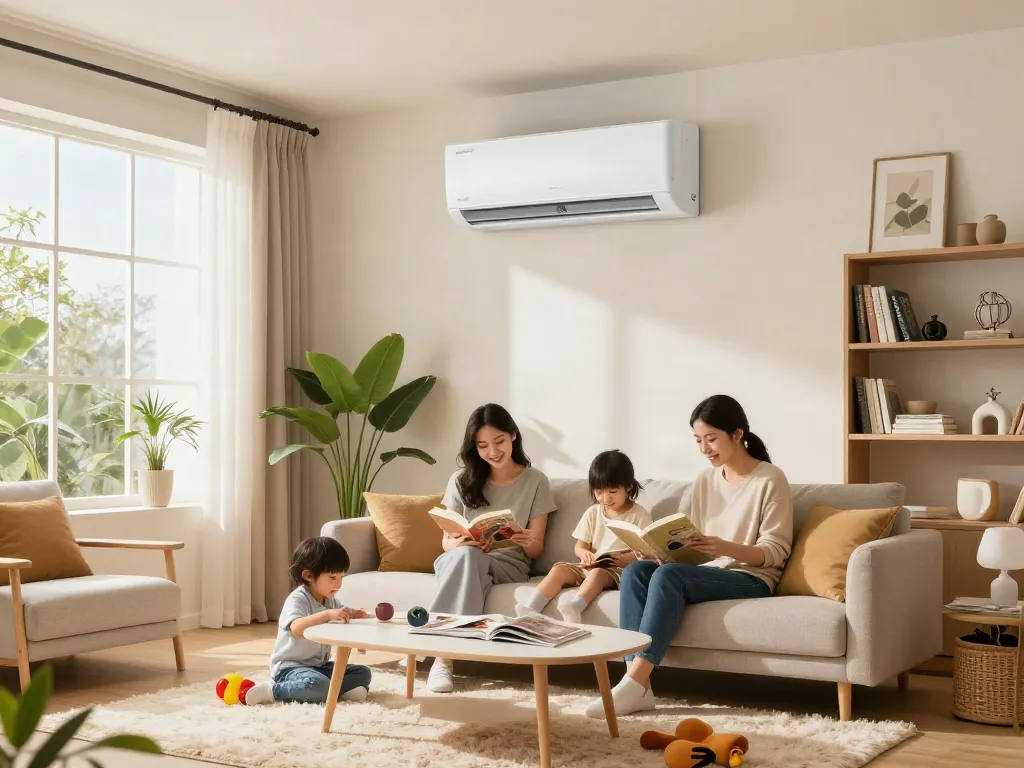
The Advantages of Ductless AC Systems
As homeowners seek efficient and customizable solutions for temperature control, ductless ac systems are rapidly gaining popularity. These systems offer a variety of benefits that make them particularly appealing in modern residences and commercial spaces alike. From energy efficiency to aesthetic flexibility, the advantages of ductless AC systems are numerous and noteworthy.
Energy Efficiency: The Cost Savings of Ductless AC
One of the most compelling reasons to invest in a ductless AC system is its energy efficiency. Traditional central air conditioning systems often rely heavily on ductwork, which can lead to significant energy losses. In fact, it is estimated that duct systems can waste up to 30% of the energy used to cool or heat a home. Ductless systems, on the other hand, deliver temperature control directly to individual rooms without the energy losses associated with ducting. This efficiency translates to lower utility bills and a smaller environmental footprint.
Easy Installation: Why Ductless is a Homeowner's Dream
Another advantage of ductless AC is its straightforward installation process. Unlike central systems that require extensive modifications to a home’s structure, ductless systems can be installed quickly and with minimal disruption. Typically, a conduit containing refrigerant lines, a power line, and a condensate drain runs from an outdoor compressor unit to the indoor air-handling unit. This means homeowners can enjoy quick installation and immediate comfort without the hassle of extensive renovations.
Design Flexibility: Aesthetic Benefits of Ductless AC
Ductless AC systems also offer impressive design flexibility. With indoor units available in various styles, including wall-mounted, floor-mounted, and ceiling-recessed options, homeowners can choose a style that complements their interior décor. This adaptability allows for strategic placement in areas where traditional systems may not be feasible, providing a sleek and unobtrusive solution.
Comparing Ductless AC to Traditional HVAC Solutions
When considering a climate control system, it's essential to compare ductless AC with traditional HVAC solutions. Understanding the performance metrics, maintenance needs, and sustainability impacts can help homeowners make informed decisions about their cooling needs.
Performance Metrics: Ductless vs. Central Air Systems
Performance is a key differentiator between ductless and central air systems. Ductless systems offer zoned heating and cooling, allowing homeowners to control temperatures independently for different rooms. This means enhanced comfort and efficiency, particularly in multi-story homes or spaces with varying heating and cooling needs. Central air systems, while capable of cooling large areas, often struggle with even temperature distribution, leading to hot or cold spots.
Maintenance Needs: How Ductless Systems Hold Up Over Time
Maintenance for ductless AC is generally less demanding than that of traditional systems. While central air systems require regular checks on duct integrity and additional cleaning, ductless units only need the filters cleaned or replaced periodically. Additionally, the outdoor unit is typically less prone to wear and tear, as it does not face the same challenges as conventional systems exposed to weather elements.
Environmental Impact: Ductless AC and Sustainability
In an era increasingly focused on sustainability, ductless AC systems stand out. Their high energy efficiency not only lowers energy bills but also reduces greenhouse gas emissions. Many modern ductless systems also incorporate inverter technology, which adjusts the compressor’s speed to match the cooling demand, further minimizing energy consumption and promoting environmental sustainability.
Understanding the Technology Behind Ductless AC
Ductless AC systems have come a long way technologically, making them more effective and user-friendly than ever before. By understanding how these systems work, homeowners can better appreciate their advantages.
How Ductless AC Works: An Overview of the Mechanism
At their core, ductless AC systems consist of two main components: an outdoor compressor unit and one or more indoor air-handling units. Refrigerant circulates between the two, allowing for efficient heat exchange. The outdoor unit absorbs heat from the air inside the home and expels it outside, while the indoor units distribute cool air throughout various spaces. This separation of components is what allows ductless systems to be so flexible and efficient.
Innovative Features: Smart Controls and Energy Monitoring
Many modern ductless AC systems feature smart controls that allow homeowners to manage their settings via smartphone apps or smart home systems. This connectivity enables monitoring of energy usage in real-time, providing insights into consumption patterns and opportunities for further energy savings. Such technology is especially beneficial for energy-conscious homeowners looking to optimize their cooling systems.
Future Trends: Advancements in Ductless Technology for 2026
As we move toward 2026, advancements in ductless AC technology are expected to revolutionize energy efficiency further. Innovations such as better refrigerants, improved insulation materials, and advanced sensors for humidity and temperature control are on the horizon. These trends promise to enhance the performance and sustainability of ductless systems, making them an even more attractive option for home and business owners.
Common Misconceptions About Ductless AC
Despite their many benefits, ductless AC systems are often surrounded by misconceptions that may deter potential users. Addressing these misunderstandings is essential in helping homeowners make informed choices.
Is Ductless AC Only for Certain Types of Homes?
A common misconception is that ductless AC systems are only suitable for specific home types, such as those without existing ductwork. In reality, ductless systems are versatile and can be effectively installed in a wide range of properties, including older homes, new constructions, or even in commercial settings.
Addressing Noise Concerns: Ductless Systems in Quiet Environments
Another misconception is that ductless AC systems are noisy. In fact, many models are designed to operate quietly, with indoor units producing sound levels as low as 19 decibels. This makes them suitable for bedrooms, offices, or any space where noise could be disruptive. The strategic placement of units can also minimize acoustic disturbances, allowing for a peaceful environment.
Cost Concerns: Budgeting for Ductless AC Installation
Installation costs for ductless AC systems can be higher upfront compared to traditional systems. However, when factoring in the long-term energy savings and reduced maintenance expenses, many homeowners find that ductless systems offer a better return on investment. Additionally, various financing options and incentives for energy-efficient systems can help offset initial costs.
Real-World Applications and Success Stories
To illustrate the effectiveness of ductless AC systems, examining real-world applications and success stories can provide valuable insights into their versatility and benefits.
Case Study: Successful Ductless AC Installations in Urban Apartments
In urban environments, where space is often at a premium, ductless AC systems have proven to be a valuable asset. Many apartment buildings have successfully integrated ductless systems to provide tenants with personalized temperature control without the need for intrusive ductwork. In one case study, an apartment complex in New York City reported a 30% reduction in energy costs after switching to ductless AC.
Testimonials: Homeowners Share Their Ductless AC Experiences
Homeowners frequently praise ductless AC systems for their efficiency and comfort. Testimonials often highlight the flexibility of zoning, allowing individual family members to control the temperature in their rooms. Many users note that they appreciate the quiet operation and the elegance of the indoor units, which blend seamlessly into their home décor.
Creative Uses: Ductless AC in Non-Traditional Spaces
Ductless AC systems are not limited to residential applications; they can also be effectively used in non-traditional spaces. For example, garage conversions into living spaces or home offices can benefit greatly from ductless systems, providing a comfortable climate without extensive renovations. Businesses, such as restaurants and retail shops, are also finding value in ductless systems for their efficiency and design adaptability.
What is a ductless AC system?
A ductless AC system is an innovative heating and cooling solution that operates without the need for ductwork. It consists of an outdoor compressor and one or more indoor units that deliver conditioned air directly to the living spaces.
How do I choose the right ductless AC for my home?
Selecting the right ductless AC system involves considering factors such as the size of your space, the layout of your home, your heating and cooling needs, and your budget. Consulting with a professional can help ensure that you choose a system that meets your specific requirements.
Are ductless AC systems energy efficient?
Yes, ductless AC systems are notably energy efficient. They reduce energy waste by delivering conditioned air directly to the desired spaces, avoiding the losses associated with ducted systems.
What are the installation requirements for ductless AC?
The installation of ductless AC systems typically involves placing an outdoor unit and connecting it to indoor units via refrigerant lines. The process is relatively simple and can often be completed in a day.
How much does a ductless AC system cost?
The cost of ductless AC systems varies based on factors such as the brand, model, installation complexity, and the number of indoor units needed. While they may have a higher initial cost, the long-term savings often make them a worthwhile investment.