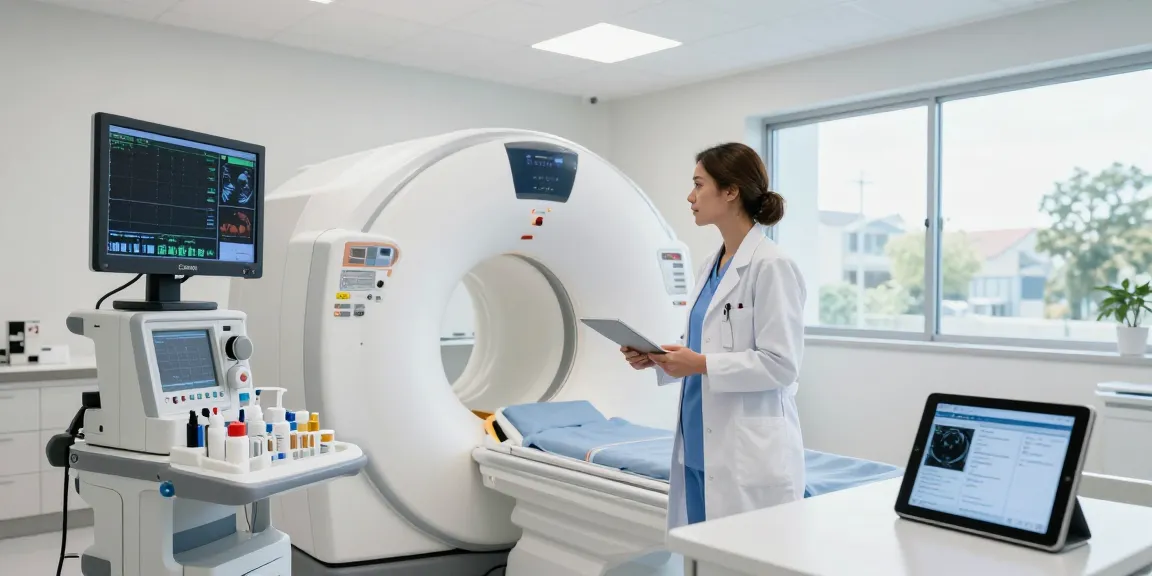
Understanding Medical Equipment: The Backbone of Healthcare
In the ever-evolving landscape of healthcare, medical equipment plays a pivotal role in patient care, diagnostics, and treatment. The integration of advanced technology has transformed how healthcare providers deliver services, making high-quality medical equipment a necessity rather than a luxury. Investing in these tools not only ensures efficient treatment but also enhances patient outcomes and safety. When exploring options, Medical Equipment resources can provide comprehensive insights into the capabilities and innovations available in today’s market.
What is Medical Equipment?
Medical equipment refers to a broad range of devices, instruments, and machines that are used in the diagnosis, monitoring, and treatment of medical conditions. These include everything from simple tools like stethoscopes to complex machinery like MRI machines. Medical equipment can be categorized into two main types: diagnostic and therapeutic. Diagnostic equipment is used for detection and analysis, while therapeutic equipment assists in the treatment of medical conditions.
Types of Medical Equipment and Their Uses
The types of medical equipment available in the healthcare industry are vast, serving various purposes across different specialties. Here are some key categories:
- Diagnostic Equipment: Devices such as X-ray machines, ultrasound devices, and laboratory analyzers that help in diagnosing illnesses.
- Therapeutic Equipment: This includes tools and machines like ventilators, infusion pumps, and surgical instruments that aid in treatment.
- Monitoring Equipment: Devices like blood pressure monitors and ECG machines that track patients’ vital signs and conditions.
- Durable Medical Equipment (DME): Items such as wheelchairs, hospital beds, and crutches that support patient mobility and care at home or in healthcare facilities.
Importance of High-Quality Medical Equipment
The quality of medical equipment is paramount in ensuring patient safety and care quality. High-quality devices are less likely to malfunction, providing reliable results during diagnostics and treatments. Furthermore, they often come equipped with the latest technology enhancements that can improve efficacy and patient comfort. Investing in superior medical equipment can lead to reduced operational costs in the long run, as it minimizes the need for repairs and replacements.
Evaluating the Financial Aspects of Medical Equipment
Investment Cost vs. Long-Term Benefits
Understanding the financial implications of purchasing medical equipment is crucial for healthcare providers. While the initial investment may be significant, the long-term benefits often outweigh the costs. High-quality equipment can enhance workflow efficiency, reduce labor costs, and lead to improved patient satisfaction through better outcomes. When evaluating costs, it’s essential to consider not just the purchase price but also potential savings over time through increased productivity and reduced medical errors.
Financing Options for Healthcare Providers
Healthcare facilities often face financial constraints when acquiring new medical equipment. Various financing options can ease this burden, including leasing, loans, and rental services. Leasing provides the flexibility of using the latest technologies without a significant upfront cost, while loans can spread payments over time, making them easier to manage. Additionally, many manufacturers offer financing plans tailored to healthcare organizations to facilitate equipment acquisition.
Cost of Ownership: Maintenance and Upgrades
Beyond initial costs, the total cost of ownership for medical equipment includes maintenance, training, and potential upgrades. Regular maintenance is essential to ensure devices operate safely and effectively, which means budgeting for routine service inspections and repairs. Healthcare organizations must also consider the need for updates to keep pace with advancing technology, which may involve investing in both software and hardware enhancements.
Technological Advancements in Medical Equipment
Innovations Shaping the Future of Medical Devices
Technological advancements have revolutionized the landscape of medical equipment, leading to more efficient, effective, and safer devices. Innovations such as 3D printing are enabling the production of custom prosthetics and implants tailored to individual patient needs. Moreover, the integration of smart technologies allows for real-time monitoring and data collection, improving the level of care provided.
Telemedicine and Remote Monitoring Equipment
The rise of telemedicine has prompted significant advancements in remote monitoring equipment. Wearable devices that track vital signs, such as heart rate and oxygen levels, empower patients to take charge of their health. These tools not only facilitate ongoing patient engagement but also enable healthcare providers to deliver care more efficiently, particularly in rural or underserved areas.
Artificial Intelligence in Diagnostic Tools
Artificial Intelligence (AI) is becoming increasingly prevalent in medical diagnostics, with machine learning algorithms capable of analyzing vast amounts of data quickly and accurately. AI-powered diagnostic tools can provide practitioners with insights that may not be immediately apparent through traditional methods, thereby enhancing the decision-making process. Incorporating AI into medical equipment allows for more precise diagnostics, ultimately leading to better patient care.
Challenges and Considerations in Medical Equipment Procurement
Regulatory Compliance and Standards
The healthcare industry is strictly regulated, particularly regarding medical equipment. Manufacturers must comply with various standards set by organizations such as the Food and Drug Administration (FDA) and ISO. Understanding these regulations is crucial for healthcare providers to ensure compliance and safety. Failing to meet regulatory requirements can lead to significant legal and financial repercussions.
Evaluating Vendors and Suppliers
Choosing the right vendors and suppliers is essential for acquiring high-quality medical equipment. Healthcare organizations should conduct thorough evaluations of potential suppliers, assessing their reputation, product offerings, and customer service. Establishing strong partnerships with reliable vendors can lead to better support, training, and warranties, ultimately enhancing the overall quality of care provided to patients.
Common Misconceptions about Medical Equipment
Several misconceptions exist regarding medical equipment, which can lead to poor purchasing decisions. One common myth is that the most expensive equipment is always the best. In reality, the suitability of medical devices depends on the specific needs of the healthcare facility and its patients. Providers should focus on functionality, reliability, and patient outcomes rather than solely on price.
Future Trends: What’s Next for Medical Equipment?
Emerging Technologies in Healthcare Equipment
As technology continues to advance, several emerging trends are set to shape the future of medical equipment. The ongoing development of advanced imaging technologies, point-of-care testing devices, and robotic surgical instruments are poised to transform patient care. Furthermore, the integration of home healthcare devices fosters a shift towards more personalized care, allowing patients to manage their conditions from the comfort of their homes.
Predictions for the Medical Equipment Industry in 2026
By 2026, the medical equipment industry is expected to witness significant growth driven by technological advancements and an aging population. Increased investment in healthcare technology, particularly in telehealth and remote monitoring, will be paramount. Additionally, the ongoing focus on data interoperability will streamline operations, ensuring healthcare providers have access to the information they need to deliver effective care.
Adapting to Patient-Centric Care Models
The shift towards patient-centric care models requires healthcare providers to adapt their approach to medical equipment procurement and utilization. This means prioritizing equipment that enhances the patient experience and outcomes. Engaging with patients to understand their needs and preferences can guide the selection of medical devices, ensuring that they align with the overall goals of patient satisfaction and safety.
What are the key factors to consider when buying medical equipment?
When purchasing medical equipment, it’s vital to consider factors such as functionality, compliance with regulations, maintenance requirements, and the vendor’s reputation. Additionally, organizations should evaluate how the equipment fits into their existing workflow and whether it enhances care delivery.
How does technology impact medical equipment effectiveness?
Technology significantly enhances medical equipment effectiveness through innovations that improve diagnostics, treatment precision, and patient monitoring. Integrating advanced technology into devices can reduce errors and improve healthcare outcomes, making them essential tools in modern medical practice.
What are the regulatory challenges in medical equipment procurement?
Regulatory challenges in medical equipment procurement include navigating complex compliance requirements and keeping up with changing regulations. Healthcare providers must ensure that all equipment meets safety and efficacy standards mandated by regulatory bodies to prevent legal issues and ensure patient safety.
How can healthcare providers maximize their investment in medical equipment?
To maximize their investment in medical equipment, healthcare providers should focus on proper training, routine maintenance, and regular upgrades. Ensuring staff are well-trained on the use of equipment can lead to better patient outcomes and increased staff satisfaction. Furthermore, establishing a proactive maintenance schedule can prevent costly repairs and extend the lifespan of the equipment.
What future trends should healthcare professionals be aware of?
Healthcare professionals should stay informed about trends such as telemedicine, AI integration, and advancements in wearable technology. Understanding these trends will help providers adapt to changes in patient care delivery and ensure their practices remain competitive and effective.